
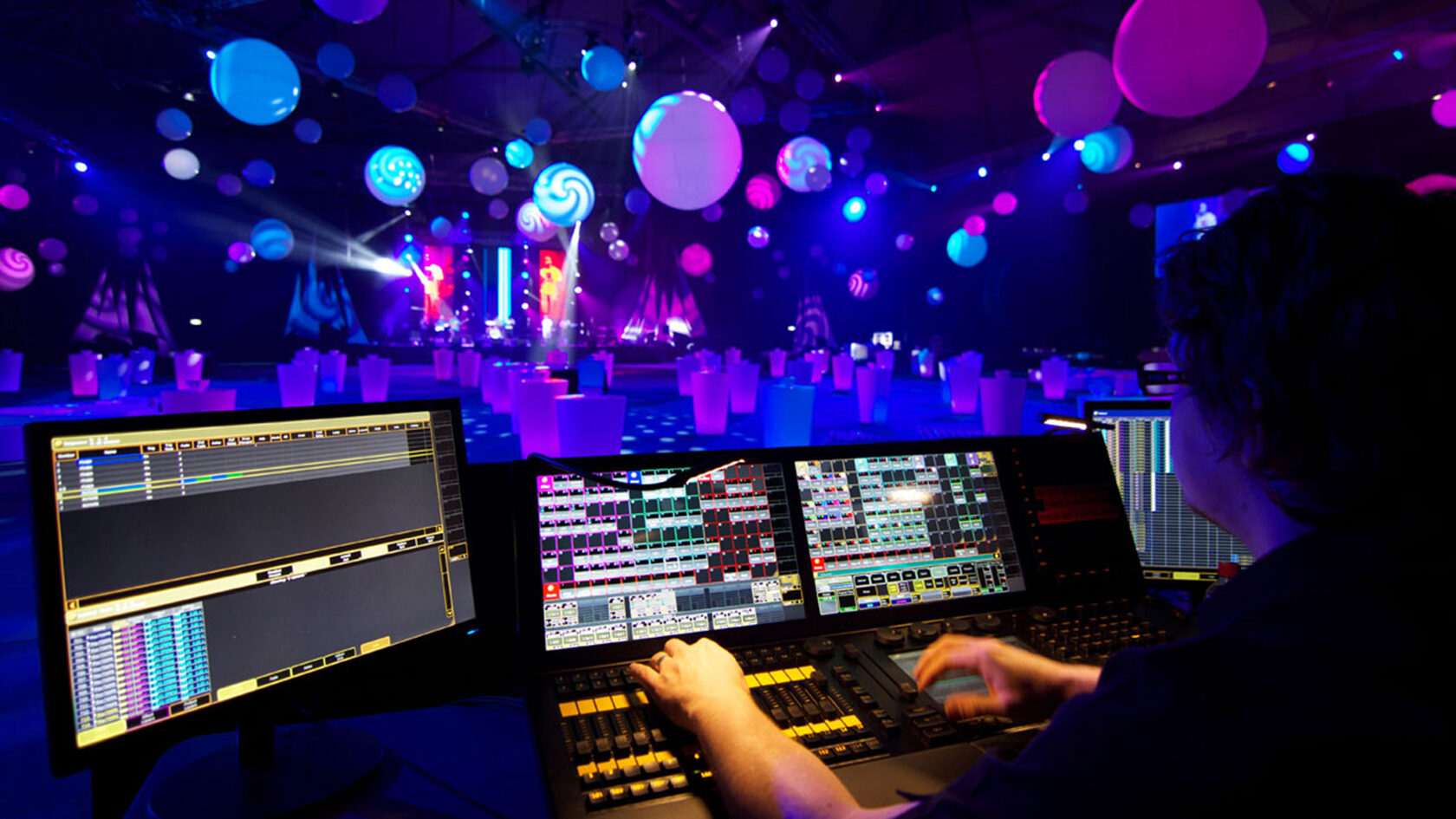
The right lighting can transform an ordinary event into an unforgettable experience, and few effects capture the imagination like Rainbow Screens. These dynamic, color-shifting displays create immersive atmospheres that elevate concerts, weddings, corporate gatherings, and festivals. But achieving that perfect chromatic spectacle requires more than just plugging in some lights it demands careful planning, technical know-how, and creative vision. This guide dives into the art and science of setting up rainbow screens that dazzle without overwhelming, blending seamless operation with breathtaking visual impact.
Rainbow Screens: More Than Just Pretty Colors
At first glance, Rainbow Screens might seem like simple LED panels cycling through hues. In reality, they’re sophisticated systems that manipulate light wavelengths, diffusion, and motion to create emotional and sensory effects. The best setups don’t just display colors they choreograph them, using timing, gradients, and intensity shifts to match the event’s mood. A slow, undulating fade between pastels sets a different tone than rapid, high-contrast flashes, and understanding this distinction separates amateur attempts from professional-grade installations.
The hardware matters just as much as the programming. Low-quality LED panels can produce uneven colors or fail at high brightness, while premium options offer finer pixel pitch for smoother transitions. Then there’s the question of diffusion: frosted acrylic, fabric scrims, or specialized films soften harsh edges, ensuring the rainbow effect feels organic rather than digital. The magic happens when technology disappears, leaving only the emotional resonance of light.
Mapping the Space: Where Physics Meets Aesthetics
Rainbow effects flop when slapped onto any available surface without strategy. The shape, texture, and location of your projection or LED screens dictate how colors interact with the environment. A curved wall reflects light differently than a flat one, creating depth and dimensionality that enhance the illusion of movement. Ceiling-mounted screens can simulate skylight changes, while floor-based installations add an ethereal glow that seems to emanate from the ground itself.
Ambient light is the silent saboteur of rainbow displays. A venue with massive windows might require blackout curtains to prevent sunlight from washing out delicate hues, while a dark, enclosed space could demand strategic fill lighting to avoid an overly dramatic (or murky) effect. The key is balancing the rainbow screens with the room’s existing light—not competing against it.
Syncing With Sound: When Colors Dance to the Beat
Static rainbow displays are pretty; dynamic ones synchronized to music are transcendent. Audio-reactive software like Resolume or MadMapper allows colors to pulse, streak, or explode in time with basslines, vocals, or melodies. But synchronization isn’t just about linking lights to sound it’s about enhancing the emotional narrative of the event. A wedding crescendo might call for golden ripples, while an electronic dance drop benefits from strobing spectral bursts.
Latency is the enemy here. Even a slight delay between audio and visual cues disrupts immersion, making the tech feel clunky rather than magical. High-end media servers minimize lag, while DMX controllers offer precise timing adjustments. The goal isn’t just to match the beat but to anticipate it, creating a seamless fusion where guests feel the music as much as they see it.
The Psychology of Color: Why Some Combinations Feel “Right”
Not all rainbows are created equal. Cultural associations, personal memories, and even biological responses influence how audiences perceive color sequences. Cool blues and purples evoke calm and mystery, while fiery reds and oranges generate energy and urgency. Transitioning abruptly from one extreme to another can feel jarring, whereas gradual blends maintain emotional flow.
Context matters, too. A corporate gala might opt for sophisticated monochromatic shifts (think deep indigo fading into emerald), while a pride celebration would embrace bold, saturated stripes. The most effective setups tailor palettes to the event’s purpose using color not just as decoration but as subconscious storytelling.
DIY vs. Professional Setups: Knowing Your Limits
Ambitious event planners might consider renting LED panels and programming their own rainbow sequences. For small gatherings, this can work but large-scale installations often reveal the gaps in DIY knowledge. Power distribution becomes a hurdle (daisy-chaining too many panels risks voltage drops), and color calibration is trickier than it seems. What looks vivid on a laptop preview might appear washed out at full scale, and fixing it mid-event is stressful.
Professional installers bring experience with cable management, heat dissipation (overdriven LEDs can overheat), and fail-safes like backup power supplies. They also understand safety rigging overhead screens must be secured to avoid accidents. While DIY saves money upfront, mistakes can cost more in last-minute rentals or disappointed guests.
The Future of Rainbow Screens: Beyond Static Displays
Emerging tech is pushing rainbow effects into new dimensions. Holographic filters can make colors appear to float in mid-air, while interactive installations let guests manipulate hues via motion sensors or touch panels. 3D projection mapping turns entire buildings into cascading rainbows, and wearable tech synchronizes personal devices with the main display for a fully immersive experience.
Sustainability is also entering the conversation. Solar-powered LED systems and biodegradable diffusion materials reduce environmental impact without sacrificing brilliance. As venues demand greener options, the next generation of rainbow screens will likely prioritize energy efficiency alongside visual spectacle.
For deeper insight into light’s role in human experience, explore Wikipedia’s Color Psychology page.
Conclusion: Painting With Light, Mastering the Mood
Rainbow screens are more than a technical setup—they’re a form of sensory artistry. When executed thoughtfully, they don’t just illuminate a space; they shape its energy, guide emotions, and create shared moments of wonder. The difference between a good display and a great one lies in the details: the precision of the fade, the harmony with sound, the subtlety of the transitions.
Whether you’re orchestrating a concert’s climax or a wedding’s first dance, remember that the best rainbow effects feel inevitable, as if the colors were always meant to unfold exactly that way. That’s the sweet spot where technology serves atmosphere, and the screen doesn’t just show light but becomes it.