
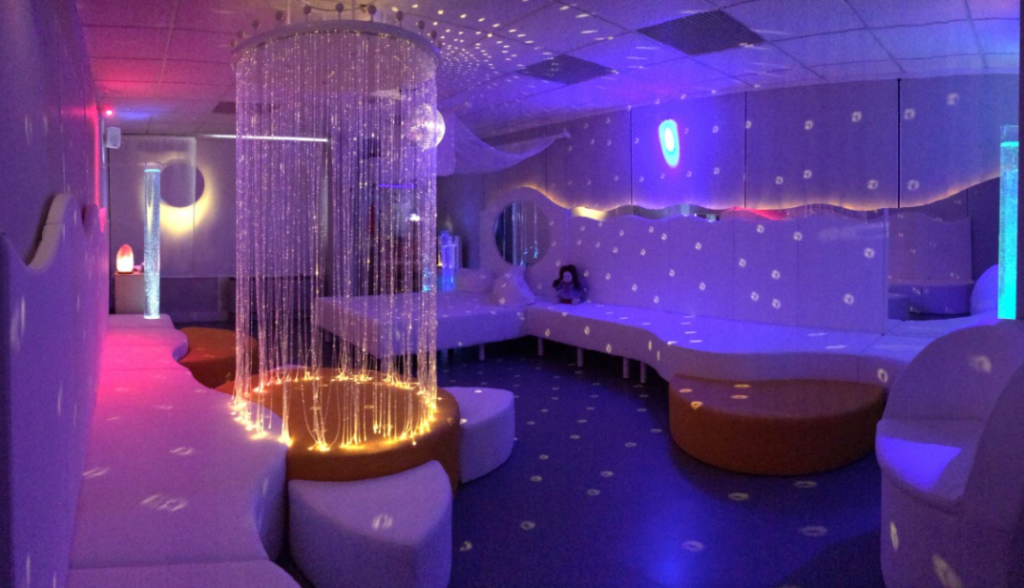
Sensory experiences are increasingly recognized as having a profound impact on child development and education. Sensory rooms are no longer a niche idea, but instead, they’re becoming a powerful tool for improving the cognitive, emotional and physical development of children. These multisensory sanctuaries are designed to stimulate children’s senses, promote exploration, relaxation and engagement. Explore the wonders of sensory rooms, and how they’re revolutionizing learning and child development.
Sensory rooms are built on the understanding that each child is unique. Our senses influence how we interact and perceive our environment. Traditional learning environments may be too overwhelming or inadequate for children with developmental disabilities or sensory processing issues. Sensory rooms offer a customized solution, as they provide a controlled environment where sensory input can modulated and tailored to individual preferences.
Sensory rooms are a great way to encourage sensory integration, the process in which the brain interprets sensory data from the environment. Sensory rooms provide children with carefully curated experiences that help them regulate their sensory responses. They also improve concentration and attention, as well as develop important skills like gross and fine motor co-ordination. Children can build a strong foundation for learning and behavior by engaging in activities that stimulate their senses. This includes swinging, bouncing, exploring textured surfaces, and playing with light projects.
Sensory rooms are inclusive spaces, which cater to all children’s needs, no matter their ability or challenge. These environments, which embrace the principles of universal designs, promote accessibility and equity. This ensures that all children have the chance to participate and achieve success. Sensory room can be a relaxing retreat for children with autism or sensory-rich play areas for toddlers exploring the world. They can also be therapeutic spaces for students with sensory processing disorders.
Let’s now delve into the essence and transformative power of sensory rooms. Sensory rooms have a thoughtful design that incorporates elements to engage all the senses. This creates an immersive experience. Soft lighting, soothing music and tactile surfaces are all carefully chosen to create a sense wonder and exploration. Children are welcomed by a symphony sensations as they enter these magical spaces. This stimulates their curiosity and ignites their imagination.
The magic of sensory room is that they can adapt and change based on each child’s unique needs. Sensory rooms are a great way to customize a space. They can be a relaxing oasis for reflection and relaxation or a dynamic play area for active exploration. Teachers and therapists are able to customize activities and experiences for specific goals, such as improving sensory processing, promoting social interactions, or enhancing communication skills. Sensory rooms encourage children to experiment and explore in a supportive and safe environment. This fosters a sense that they can be independent and confident.
The incorporation of sensory rooms in educational settings has the potential to revolutionize our approach to learning and development. We can nurture children’s unique abilities and strengths by recognizing how sensory experiences shape their development. Sensory rooms are a beacon for hope and possibilities, providing a glimpse of a future in which every child can thrive and achieve their full potential.
Sensory rooms are a shining example of innovation and inclusion in the fields of education and development of children. These enchanting spaces open up new opportunities for exploration, learning, and growth by harnessing the power sensory experiences. Sensory rooms are a testament to imagination, empathy and innovation as we continue to explore the mysteries of the brain. Let’s go on a journey together to discover the wonders of sensory room and create a better future for children.